
OVERVIEW
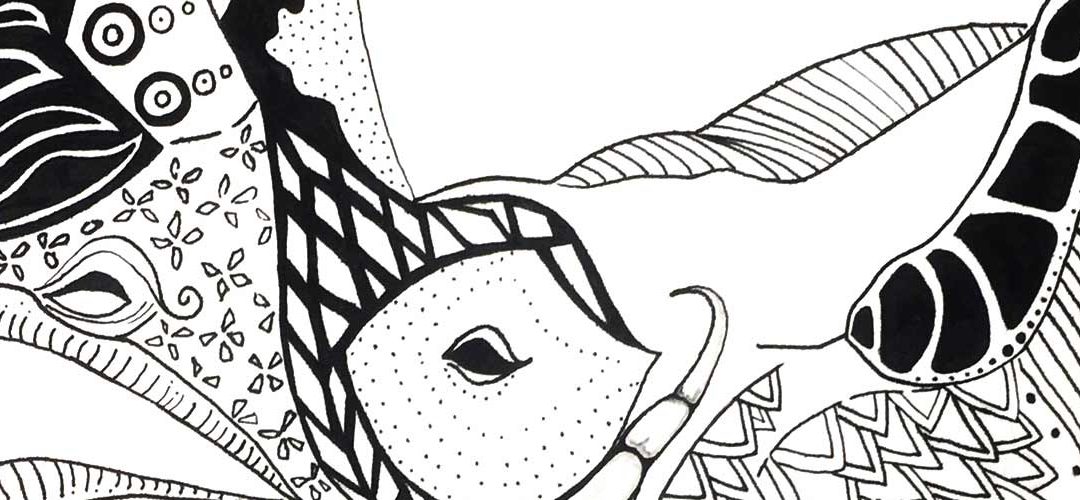
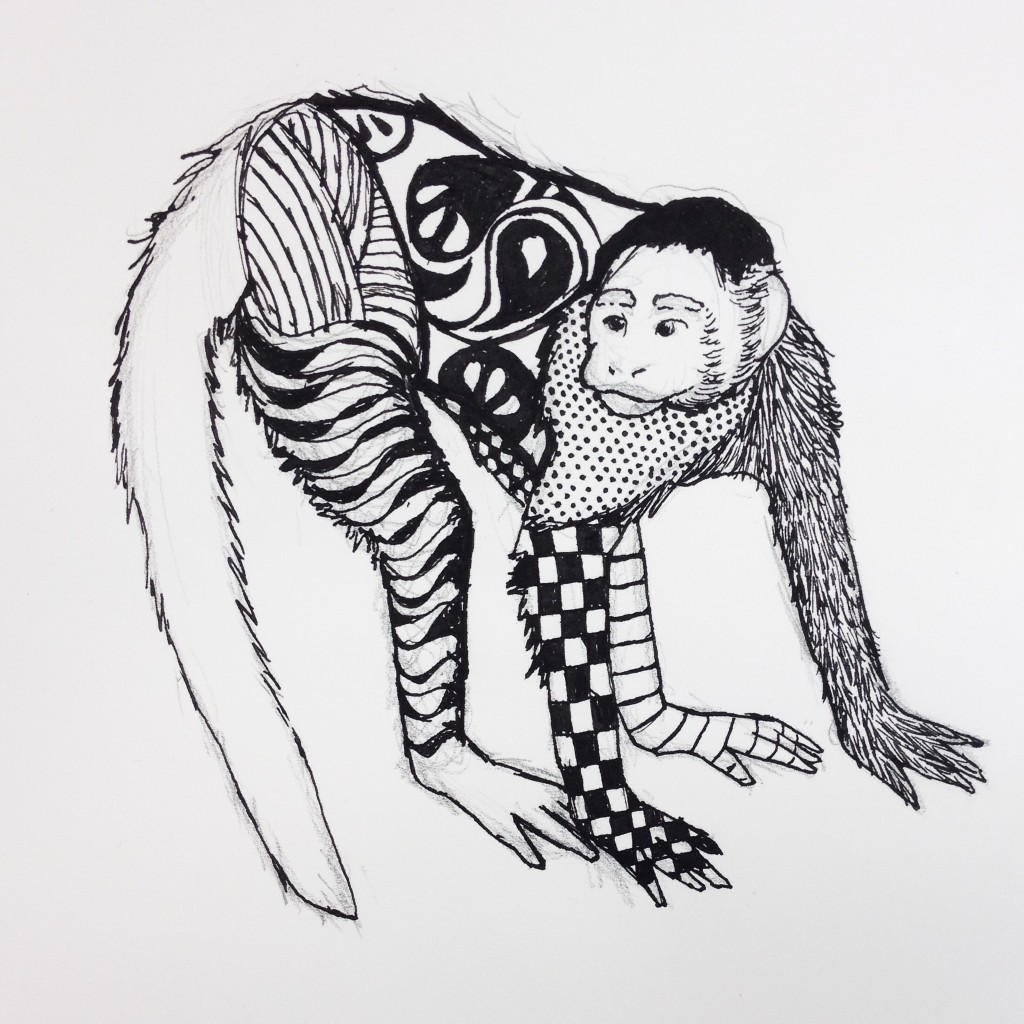
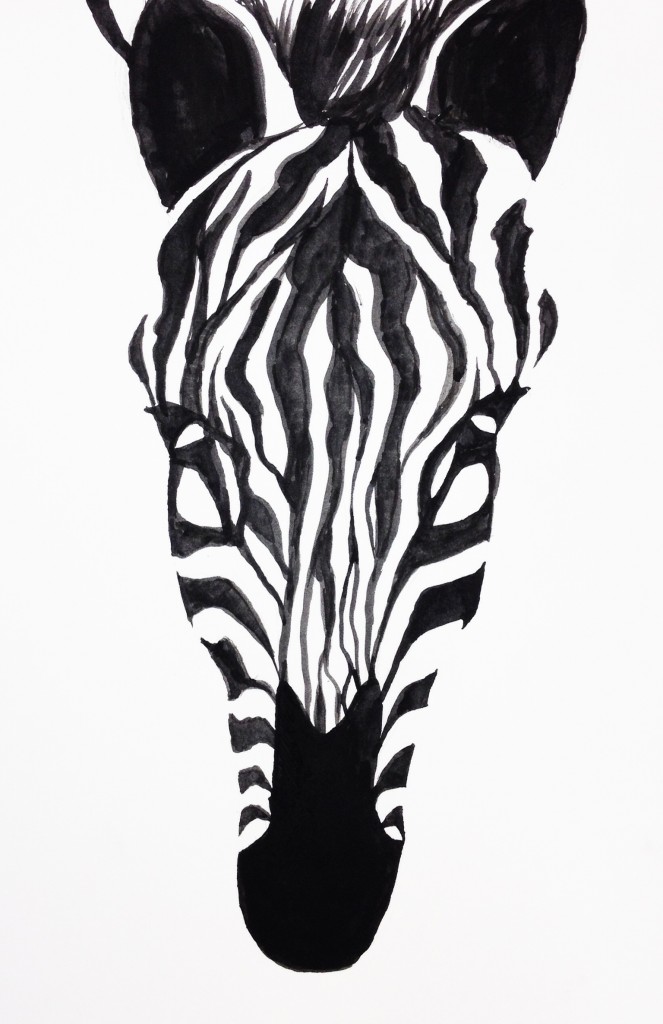
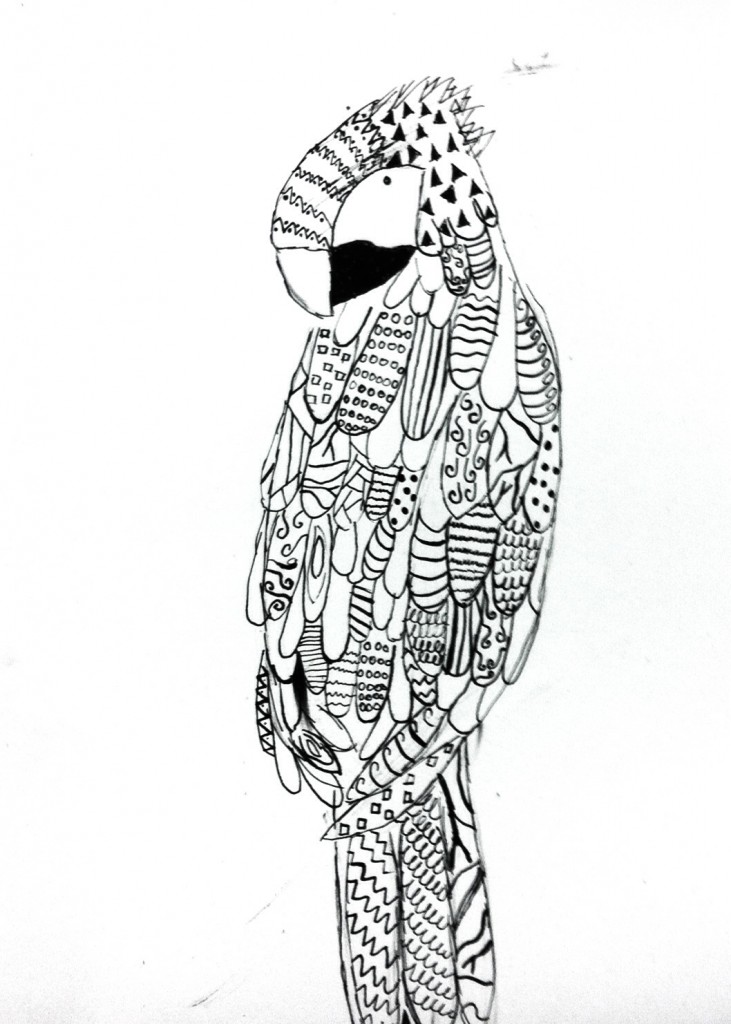
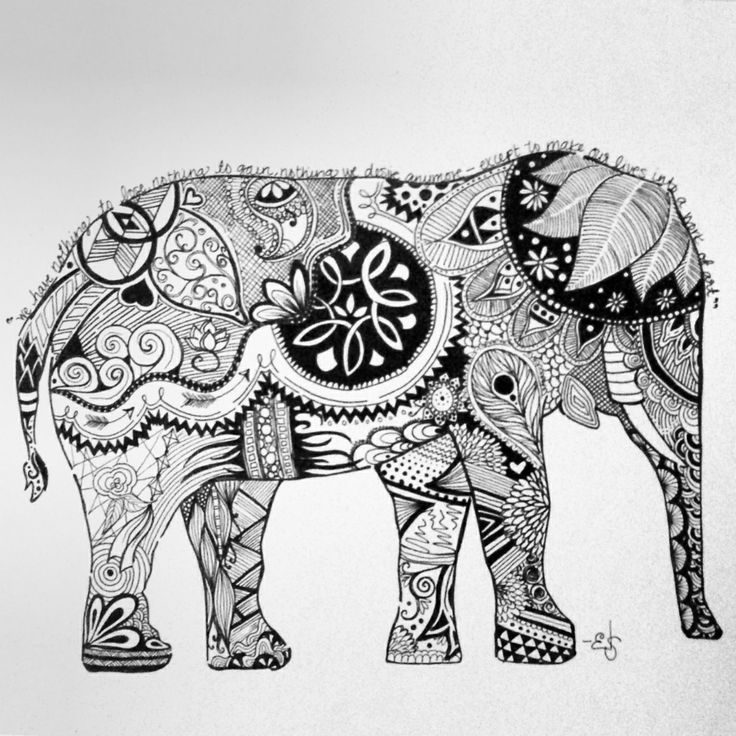
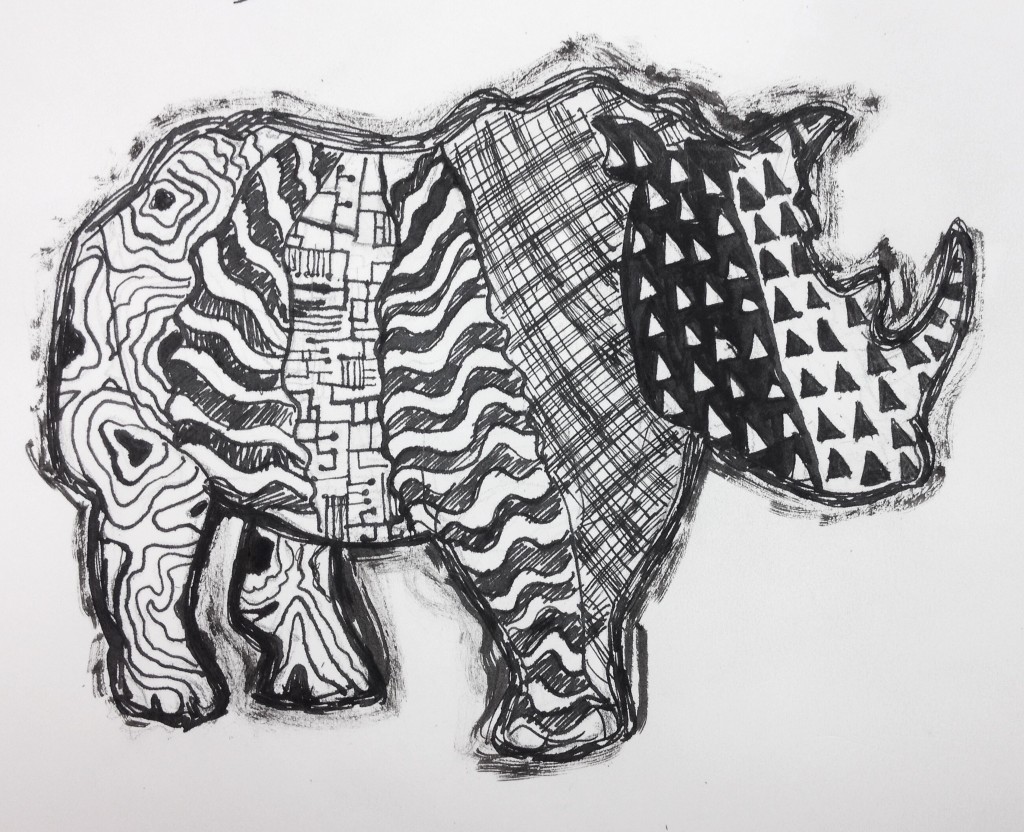
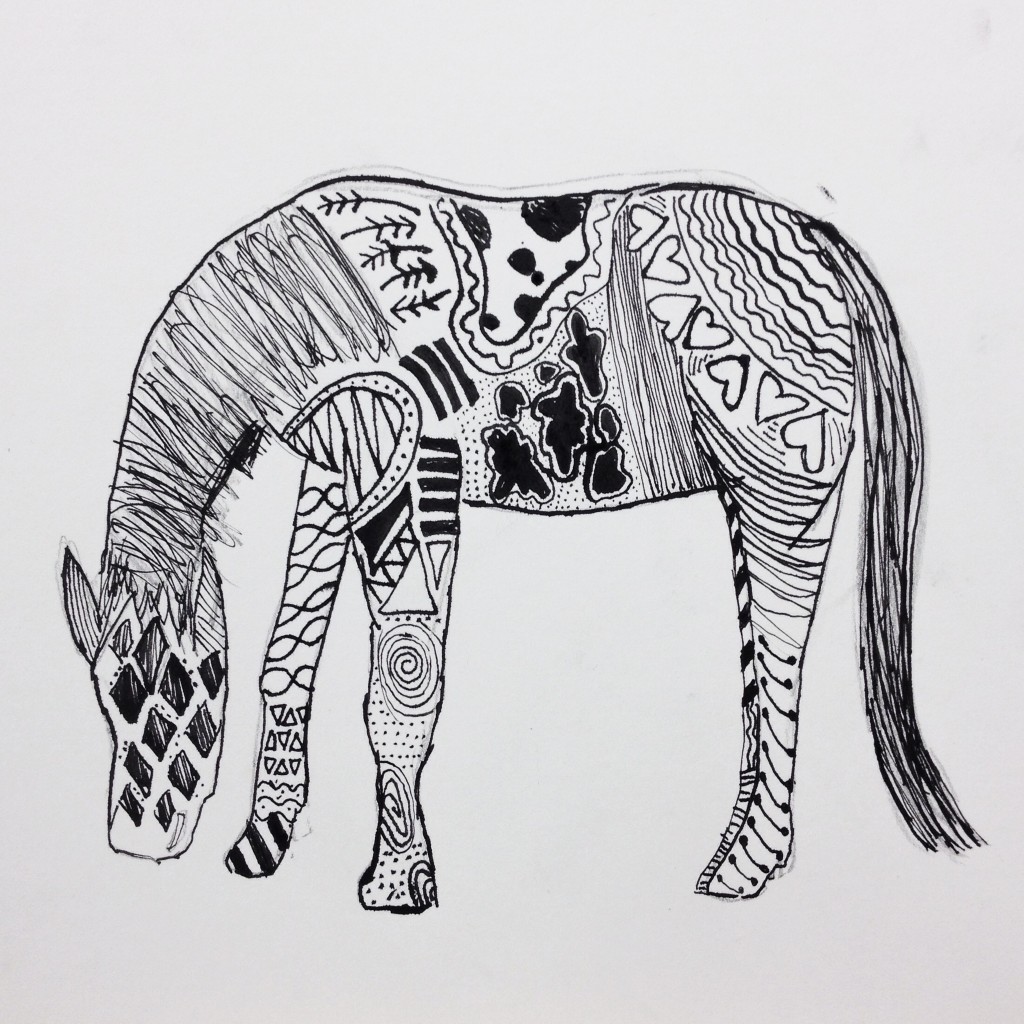
Students will learn how to create ink work with a dipping ink pen & metal nib. Animal photos are provided for reference, and the interior will be filled with expressive patterns, commonly called zen tangles. Creations students (advanced) will move more quickly into choosing subjects and doing special artwork. Classroom rules are introduced.– – –
Grades 3 – 5
Week of August 17 – 21
1 Hour & 45 Minutes
Lesson At A Glance
A brief overview of each step. Buttons jump to each section for detailed information.
(during warmup) – Introduce the rules. Display the printed poster.
10 Min -Slideshow & explanation of zen tangles/doodles.
17 Min – practice drawings and then a pencil guideline drawing
5 Min – Practice using the dip pen and making patterns.
45 Min – Students enjoy music while they create ink art
Extra (if needed) – Cow Spotting Game
2 Min – everyone helps
SCROLL & TEACH
LESSONPLAN
Each section is a different color. Read over once and then you can SCROLL & TEACH using any device you like. It’s designed to work best with your phone.
LEARNING TARGETS

Students know how to express themselves through drawing
M A T E R I A L S
- 14″ x 17″ Sketch Paper
- 2B & 4B Pencils
- Eraser
- Oil pastels
- Paper towels
- 12″ circle template*
*Make a circle template. Use a compass set to 6″, or a string on a push pin. If you have a plate that is big enough, you can trace it. Make one or two circles out of poster board or cardboard for your advanced students.
1.1 greet
Get each student started with a choice of using oil pastels or pencils in their sketch pads. Artists should draw their favorite thing they enjoy drawing. If someone doesn’t have a favorite thing to draw, try these Brain Boosters:
- Your pet as a star wars character
- Some art supplies nearby
- Fancy flowers
- A clock tower at a candy factory
Note – if you see some students drawing popular cartoons, don’t discourage this today, but do make mention of our original-work policy below:
Afterwords, display the Pinboard of M. C. Escher ink work then discuss the rules (see Step 2.)
Works from M. C. Escher (tap any image to open viewer)


Mandala Inspiration (tap any image to open viewer)


CREATIONS - tap here to open
Use the Student Instructions printout below to distribute to your Creations students. Tap the image to open the PDF in a new window.
Show the Mandala Inspiration Pinterest Board to your Creations students. Link is just below.
Zentangle Animal Mandala Design
Overview: Students will choose an animal or two and create a circular design with them. Flattening out and stylizing the reference may make this easier but the student can choose how they want to use the reference.
Step 1. Brainstorm sketching (15 minutes) Draw two kinds of sketches to get your ideas figured out. First, draw simple rough ideas for the entire mandala design. These should be small (thumbnails are about 2 inches maximum) so you can draw several ideas quickly. Second, make a sketch of you animal(s) in the position for your mandala design so you can work out how it fits. Use the M.C. Escher reference for ideas but you can do it your own way.
Step 2. Guideline Drawing (20 min) Using a circle template or compass, draw a large circle on your sketch pad using your pencil, but draw extremely light lines, barely touching the pencil to the paper. This will allow the lines to disappear when you erase them after inking. You can make smaller interior circle guidelines using a roll of tape or other circular objects.
Then create your artwork, making the lines as light as you can. Remember that you’ll be inking the real artwork, so the pencil lines are only temporary. You don’t have to make any patterns at all, just do the Big Shapes and important outlines so you can begin inking.
Step 3. Inking (The rest of the class time) Be careful to keep your ink secure, and tap the tip so you don’t drip! Work from the top and move downward, so you don’t smear wet ink.
Fill your drawing with awesome lines, textures, and patterns. You an also try making some lines thicker than others. Enjoy creating!
Tap images to open Creations Student Instructions and Reference Materials in new windows

Use this button to jump down to the preparation section.
LEARNING TARGETS
Students know how to what is expected of them and how to work with others.
M A T E R I A L S
- Rules Printout
2.1 Print
Reference
RULES
Print and display on your wall as a reminder
New Rules poster needed for young classes.
2.2 Teach
Take a few minutes to establish some guidelines for the classroom and for making artwork. These rules are awesome!
The Rules!
Because our rules are special, and a big deal, use this handy guide like a teacher talk. It’s always a great idea to ask your returning students if they remember any of the rules, and allow them to participate in the explanations.
NEW RULES:
1. Be kind and respectful to everyone in the room.
2. Stay in your place and work the whole time.
Talk needs update
Use this button to jump down to the preparation section.
LEARNING TARGETS
Students know how to use ink and a dipping pen with a nib
M A T E R I A L S
- 14″ x 17″ Sketch Paper
- dip pen with waterproof India Ink
- Trays, lids, or paper plates, to secure Ink bottles on
- Tape or clay
- Smocks
3.1 demo
Draw a few lines on the sketch paper. There is nothing better than seeing someone use a medium right before you try it for the first time.
Read the captions on the slides or use the following Teacher Talk.
Keep your bottle cap on until right before you’re ready to use the ink.
The base also helps keep the cap from rolling away. Do not use the dropper to draw with.
Many ink bottles are bigger at the bottom, and are designed so you can dip your pen all the way to the bottom without submerging the handle.
Tap the nib against the bottle edge to remove some excess ink so you don’t get drips. Remember,
‘Tap The Tip, So You Don’t Drip!‘
The nib has a rounded top and should be held like a helmet, not like a cup. Because it’s metal and fairly thin, the nib can be accidentally bent. That will ruin it, so be gentle. If you notice a split in the nib, that’s normal! It’s how the ink travels to the tip.
When replacing the bottle cap, make sure it’s snug, but don’t tighten super hard, because the plastic cap or bottle will warp and allow a leak.”

Taping your ink bottle to a base stops most spills before they happen! We use modeling clay to stick our bottles onto a plastic plate.

The base also helps keep the cap from rolling away. Do not use the dropper to draw with.
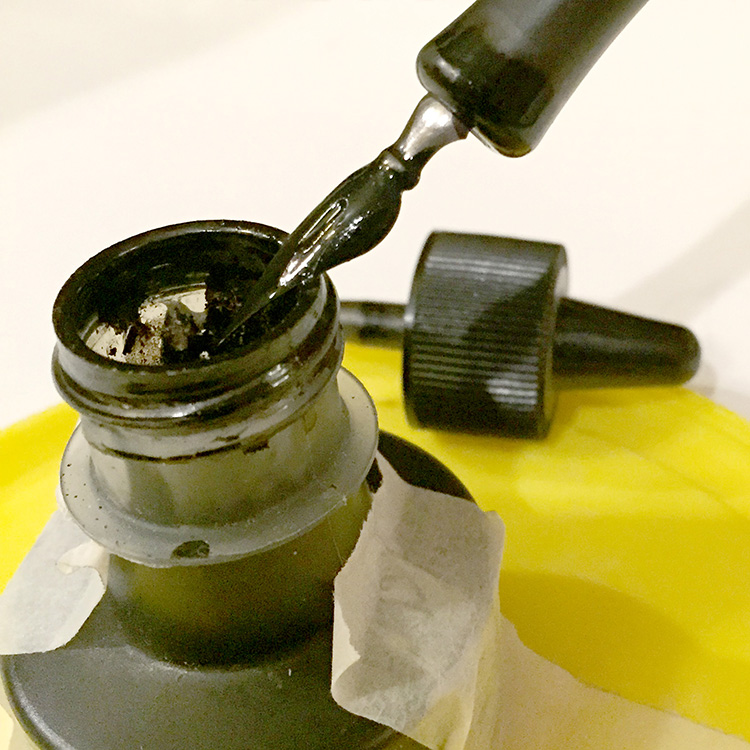
Tap the nib against the bottle to remove some excess ink.
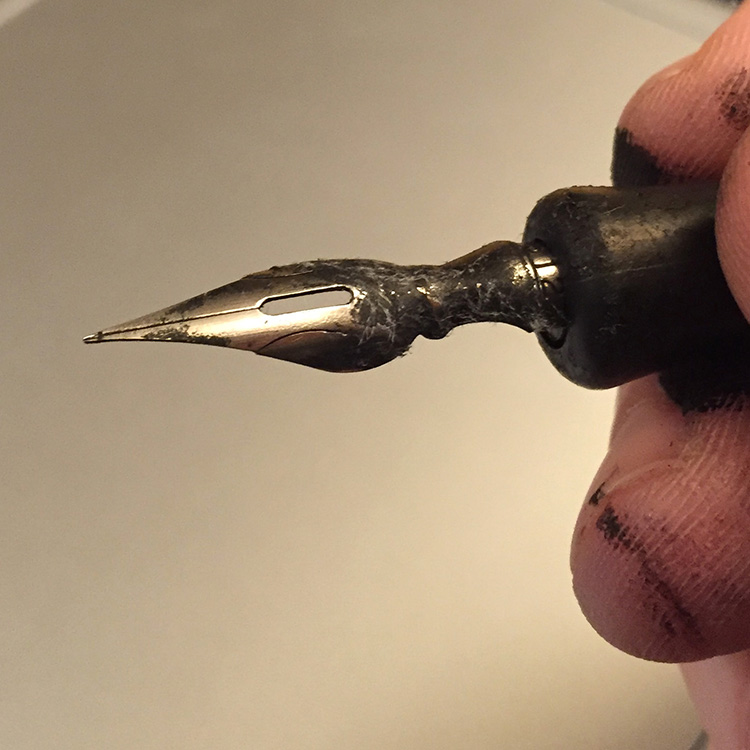
The nib has a rounded top and should be held like this. It can be bent, and that ruins it, so be gentle. If you notice a split in the nib, that is how the ink travels to the tip, and all nibs are split like this.
Use this button to jump down to the preparation section.
STEP 4. Animals Intro
Students will choose reference and view other students' work for inspiration 10 MinutesLEARNING TARGETS
Students know how to get inspiration through viewing other’s artwork
M A T E R I A L S
- Reference photos
4.1 print
Reference
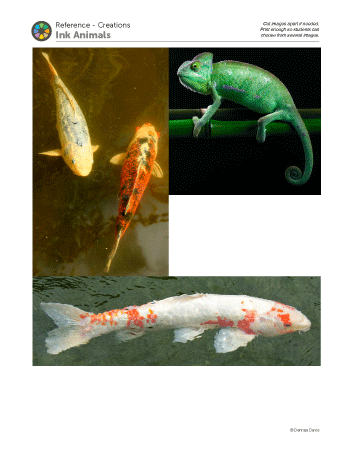
Ink Animals
8 animal photos for zed doodle ink animals.
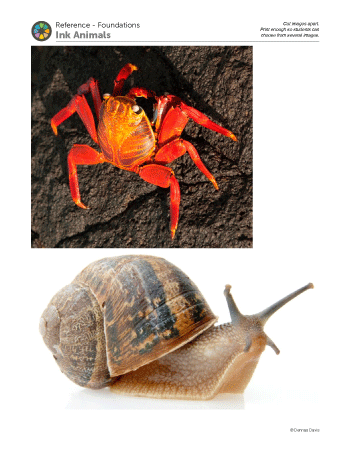
4 Pages – Opens in new window
4.2 inspire
Talk about all the different patterns as you show the ink work. Let students have a moment to view them so they’ll be inspired, and be able to remember several pattern ideas.
Provide the PDF reference photos and let each student choose one they like.
Use this button to jump down to the preparation section.
LEARNING TARGETS
Students know how to practice their artwork before making a final version
M A T E R I A L S
- 14″ x 17″ Sketch Paper
- dip pen with waterproof India Ink
- Trays to hold Ink
- 2B Pencil
- White Eraser
- Smock
5.1 draw
At least 2 sketches are required, and 3 is even better if a student can tolerate redrawing that much.
After the sketches, have each artist create a guideline drawing, which has no shading or patterns. A guide line drawing is NOT the artwork, but a very, very light sketch that helps you with the final ink, and which can be erased after the ink is completely dry (not today!).
Use this button to jump down to the preparation section.
LEARNING TARGETS
Students know how to practice before they make their final artwork
M A T E R I A L S
- 14″ x 17″ Sketch Paper
- dip pen with waterproof India Ink
- Trays to hold Ink
- Smock
6.1 draw
CAUTION: Do not practice ink on a page that is on top of the guide line drawing! Sometimes ink can come through and bleed to the page underneath, ruining it.
Use this button to jump down to the preparation section.
LEARNING TARGETS
Students know how to use India Ink and a metal-nibbed ink pen
M A T E R I A L S
- 14″ x 17″ Sketch Paper
- dip pen with waterproof India Ink
- Trays to hold Ink
- Smock
7.1 ink
Go around the classroom, encouraging students and asking questions. Help individual students as needed. Give your honest response, and only offer suggestions after you’ve asked, and they clearly want help.
Use this button to jump down to the preparation section.
LEARNING TARGETS
Students know how to enjoy the creative process
M A T E R I A L S
- India Ink OR watercolors
- Small eye dropper
- Trays to hold Ink
- Smocks
- Cow printout
- Cardboard Box
8.1 Print
GAME
Blank Cow
This cow needs spots. Print for a fun ink splatter game.
You can use heavier weight card stock if you want, but it works fine on regular paper.
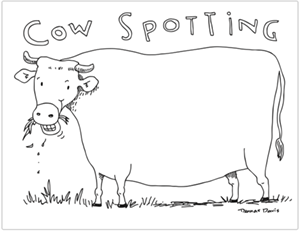
1 Page – Opens in new window
8.2 play
Cow Spotting!
With the young students in 3rd through 5th grade, you may have many of them finishing early or just getting bored with the patterns. Here’s a fun extra project that uses ink in case you need it. It’s a little dangerous, but oh so worth it if you’re careful.
Students take turns aiming drops of ink onto a cartoon cow printout. The cow gets its spots!
Place the cow print (cover stock holds up better than regular copy paper) inside a cardboard box. The sides catch splatters. Impress on your students how careful they need to be with ink, and only squeeze the dropper, not shake it. Don’t let any of your kids hold the ink bottle during this game. Provide the dropper only when they’re ready, and with a very small bit of ink. Use a smock or apron too. Ink does not come out of fabric.
Dropper goes back to you after each turn, not to the next student.
Have several prints ready because the cow can become black with too many spots. You can divide up your class into teams if you like, but a large group may get restless waiting.
You can also print the cow for every student and let them work while it’s not their turn if they want. Have them invent a cow pattern that is creative and maybe a little crazy or fun.
Use this button to jump down to the preparation section.
LEARNING TARGETS
Students know the importance of cleaning up.
M A T E R I A L S
- Paper Towels
- Cleaning wipes
- Sink
- Waste baskets
- Well-lit spot for photos
- Camera or phone-camera
9.1 CLEAN
- Wash hands
- Super-wash the ink nibs and wipe them dry with a paper towel
- Put art supplies away
- Wipe tables & toss trash
- Remove any smocks (last)
- Check for items on floors and tables
9.2 PHOTO
9.3 CONNECT
%
Insights
This lesson provides understanding
%
Technique
This lesson shows application and movement
%
Self Expression
This lesson allows personal freedom
OBJECTIVES
- Practice and improvement in drawing lines and patterns
- Understanding ink techniques, drips, and other dangers!
- Accomplishment in creating a finished black & white work
- Fulfillment by creating original patterns and choosing subject matter
TROUBLESPOTS
Ink Spills – Nothing is quite as messy, insidious, or staining as india ink. Have paper towel rolls all over the place ready to cleanup.
Drips and spots – most students will have a drip or two at some point, and it will ruin a drawing in their mind. Counter this by showing how splatters and drops can look cool, or how creating new patterns and black areas can hide things you don’t want..
Not holding the pen correctly – see the teacher talk below for how to instruct, and be on the lookout for upside-down pens..
ART WORDS
India Ink – a very black thin liquid that is much runnier than paint, but also much darker, and waterproof..
Ink pen – a plastic stick that holds an ink nib.
Nib – the metal tip that is used to hold ink and to draw with.
CLASSROOM
PREP
Find an average sized cardboard box to hold the cow print for the extra game.
Print all of your PDFs from the lesson plan and cut any references apart as needed. You can tape the rules to a wall if you want. You might practice speaking through all the rules and working on making them fun and interesting.
Gather enough trays/plates/lids to secure the ink bottles. Practice the inking demo and think through how you’ll attach the bottles to the trays.
What your room needs
Here are your printable lists and room prep instructions.
Opens in new window
CLASSROOM
MATERIALS
- 8.5″ x 11″ copy paper
- Scissors
- 12″ circle template
- Tray, plate, or lids for securing ink bottles
- Tape for securing ink bottles to trays
- Water containers (optional)
- Water eye-dropper
- Paper towels
- Smocks
STUDENT’S
MATERIALS
- 14″ x 17″ Sketch Paper
- 2B Pencil
- 4B pencil
- India ink
- Ink dip pen with metal nib (not too sharp a point)
- White erasers
- Oil pastels
- Blender sticks (stumps)
- Sandpaper boards (to clean blenders)
PREVIEW
Week 2: Color Crazed Cutouts
August 26 – 30
Artists are introduced to the The Art Instructor Color palette and the basics of paint mixing. Then they begin the first stage of a fun color collage project using a 3-color scheme and cut shapes similar to Matisse cutouts. It’s a great way to get into paint for the first time or after a long break.
Week 3: Artists’ Choice & Drawings
September 2 – 6
Finishing up the color cutouts from week 4 is priority, and then artists will move into working with pencil drawings and artists’ choice.