

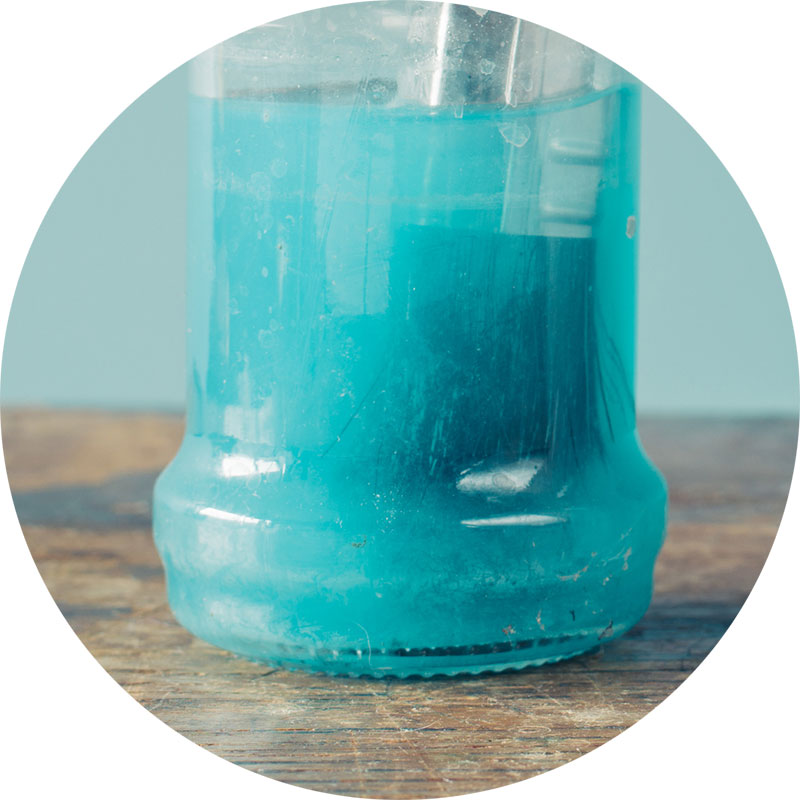
It’s so important to Super-Wash a brush after using it, but during the painting process, you don’t want to keep going to the sink. Students should know how to easily clean a brush in their water jar when they’re changing colors. Our method give everyone an easy thing to say and to remember, “wipe, wash, wipe!”
Aproach
Be on the lookout for two instances where this Pocket Point is needed:
A wet brush and watery paint when you don’t want that.
Brushes that aren’t clean and ruin another color – usually when moving from warm to cool or vice-versa.
If this has been taught at least once already, don’t point out the student who needs the review. Just remind everyone about it. If you need to teach it and you aren’t sure how many need it, just make it a group or class-wide Pocket Point.
Demo
1. WIPE – Use a paper towel to wipe as much of the paint off of the brush BEFORE using the water jug.
2. WASH – Dip the brush all way into the water, and gently but firmly tap several times on the bottom, swish some, and then tap some more. Tap off excess on the rim when removing the brush.
3. WIPE – Use a clean dry paper towel to soak out all the water, and to check if it’s clean (paint will show on the towel).
Teach
“First you use a paper towel to wipe as much of the paint off the brush. Do this before ever dipping it into the water jar.
Why? Well, the brush is full of paint. Dipping all that paint into a water jug instantly makes it very dirty. You’ll need to keep jumping up to go get clean water for your jar over and over if you don’t wipe it first.
Also very important is that all that paint will be dumped into the sink if you don’t wipe it off. Putting the paint into the towel and then into the trash allows it to dry and not go into the water supply and it keeps our sink from getting clogged up.
So, then you can wash the brush. Just tap gently but firmly on the bottom of the jar, and swish around some. Tap again if it’s really dirty and you need it to be very clean. Take the brush out and tap on the side to shake off the water, and then wipe again; use a clean paper towel to dry it off. You should always begin with a dry brush unless you are doing watercolors.
Remember that you must also super wash your brushes at the end of painting time or they won’t be usable next time. They’ll be all crunchy!”
Getting your brush completely clean isn’t necessary unless you are moving to a very different color, or something like white which needs to be pure. As a matter of fact, having a slightly dirty brush can make a painting look better because the colors are more related to each other if they have some of each other in them.
W
wipe
W
wash
W
wipe

Pocket Pointers
Learn these short mini-lessons that are needed "on the fly", whenever you have a student who needs some specific help.